

Hoodies have become one of the most important product categories in modern fashion. From luxury streetwear labels to startup apparel brands, hoodies remain a core item because of their versatility, comfort, and year-round appeal. However, as competition in the fashion industry continues to increase, brands are looking for ways to differentiate their products beyond basic fabrics and silhouettes.
One of the most effective ways to elevate a hoodie collection is through embroidery. Unlike traditional screen printing, embroidery adds texture, depth, durability, and a premium visual appearance. As a result, embroidered hoodies have become increasingly popular among streetwear brands, lifestyle apparel companies, and private label clothing businesses.
For brands seeking to build stronger product identities, selecting the right embroidered hoodies supplier is a critical decision. The supplier’s capabilities influence everything from fabric quality and embroidery precision to production efficiency and long-term brand reputation.
This article explores why embroidered hoodies remain a high-value product category and what businesses should consider when selecting a manufacturing partner.
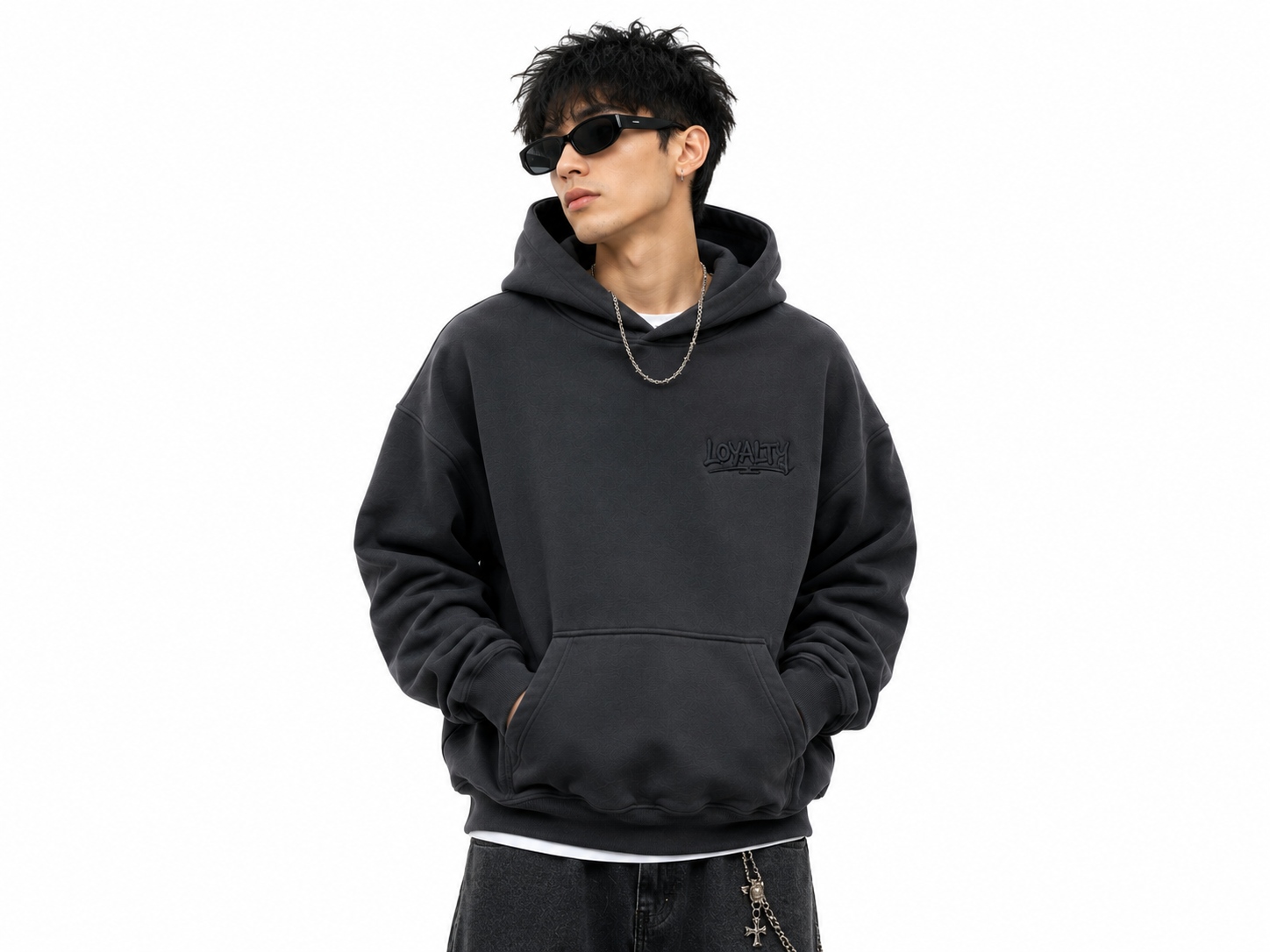
Why Embroidered Hoodies Continue to Grow in Popularity
The fashion industry is becoming increasingly competitive. Consumers now expect products that feel unique, durable, and premium.
Embroidery helps brands achieve these goals while creating products that stand out from mass-market alternatives.
Premium Visual Appeal
Embroidery creates a three-dimensional appearance that immediately enhances perceived value.
Compared with printed graphics, embroidered logos often appear more refined and professional.
Long-Term Durability
Unlike certain printing methods that may crack or fade over time, embroidery remains durable through repeated washing and daily wear.
How Embroidery Supports Brand Building
Strong branding is essential in modern fashion.
Consumers often associate embroidery with higher-quality products, making it a valuable branding tool.
Creating a Premium Brand Identity
Luxury and premium streetwear brands frequently use embroidery because it reinforces exclusivity and craftsmanship.
Improving Product Recognition
Embroidered logos help increase brand visibility while maintaining a sophisticated appearance.
Understanding Different Embroidery Techniques
Not all embroidery methods deliver the same visual effect.
Professional suppliers typically offer multiple embroidery options depending on design requirements.
Flat Embroidery
Flat embroidery is the most commonly used technique and works well for logos, text, and clean graphic elements.
3D Puff Embroidery
This technique creates raised effects that are particularly popular in streetwear collections.
Applique Embroidery
Applique combines fabric pieces with embroidery stitching to create unique visual textures.
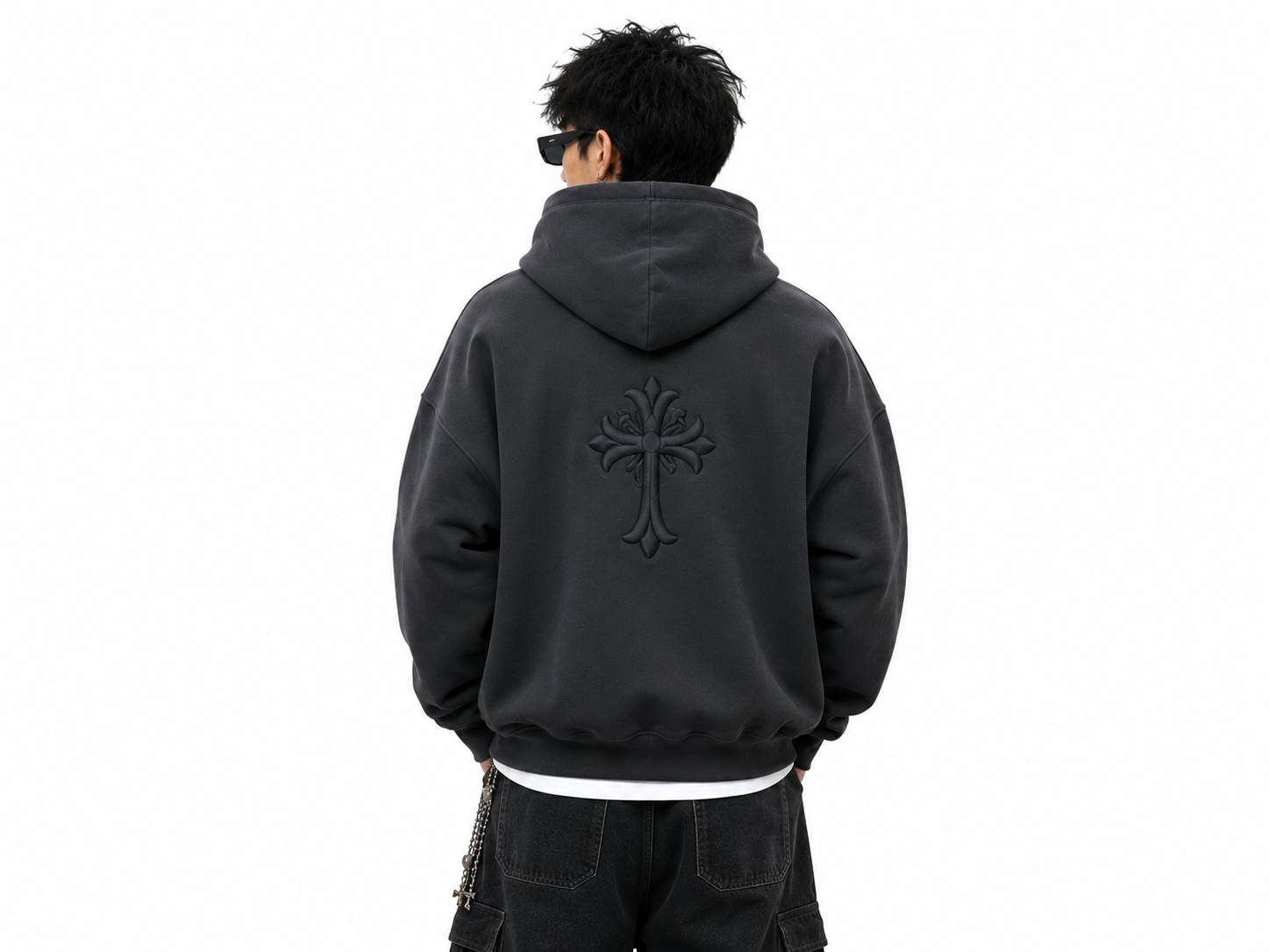
Fabric Selection Plays a Major Role in Product Quality
Even the best embroidery cannot compensate for poor fabric quality.
Professional manufacturers carefully match embroidery techniques with suitable hoodie fabrics.
Cotton Fleece Hoodies
Cotton fleece remains one of the most popular choices because it provides comfort, warmth, and durability.
Heavyweight Hoodies
Heavyweight fabrics are increasingly popular among premium streetwear brands seeking structure and luxury positioning.
Table 1: Common Hoodie Fabric Options
|
Fabric Type |
Characteristics |
Typical Application |
| Cotton Fleece | Soft and Comfortable | Everyday Streetwear |
| French Terry | Lightweight and Breathable | Spring Collections |
| Heavyweight Cotton | Premium Feel | Luxury Streetwear |
| Cotton Polyester Blend | Durable and Stable | Large-Scale Production |
Why Streetwear Brands Prefer Embroidered Hoodies
Streetwear consumers often value exclusivity and product craftsmanship.
Embroidery aligns naturally with these expectations.
Elevated Product Positioning
An embroidered hoodie typically commands a higher retail price than a comparable printed hoodie.
Stronger Perceived Quality
Consumers often associate embroidery with premium construction and greater attention to detail.
The Importance of Digitizing in Embroidery Production
Before embroidery can begin, artwork must be converted into stitch data.
This process is known as digitizing.
Precision Determines Final Quality
Poor digitizing can result in distorted designs, uneven stitching, and production inconsistencies.
Experienced Suppliers Deliver Better Results
Professional embroidery suppliers invest heavily in digitizing expertise to ensure consistent quality.
How to Evaluate an Embroidered Hoodies Supplier
Choosing the right supplier requires more than comparing prices.
Brands should evaluate several important factors.
Sampling Capabilities
A strong supplier should provide accurate pre-production samples for approval.
Production Experience
Manufacturers with extensive embroidery experience are more likely to deliver consistent quality.
Quality Control Systems
Reliable suppliers implement multiple inspection stages throughout production.
Table 2: Supplier Evaluation Criteria
|
Evaluation Area |
Importance |
|
Embroidery Quality |
Very High |
|
Fabric Quality |
Very High |
|
Sampling Ability |
High |
|
Production Capacity |
High |
|
OEM Service |
High |
|
Communication Efficiency |
High |
OEM and Private Label Opportunities
Many apparel brands rely on OEM manufacturers rather than operating their own factories.
This approach reduces investment requirements and accelerates product launches.
Customized Branding
OEM services allow brands to customize:
●Logos
●Labels
●Hang Tags
●Packaging
●Embroidery Placement
Faster Market Expansion
Working with an experienced supplier allows brands to focus on sales and marketing while production is handled professionally.
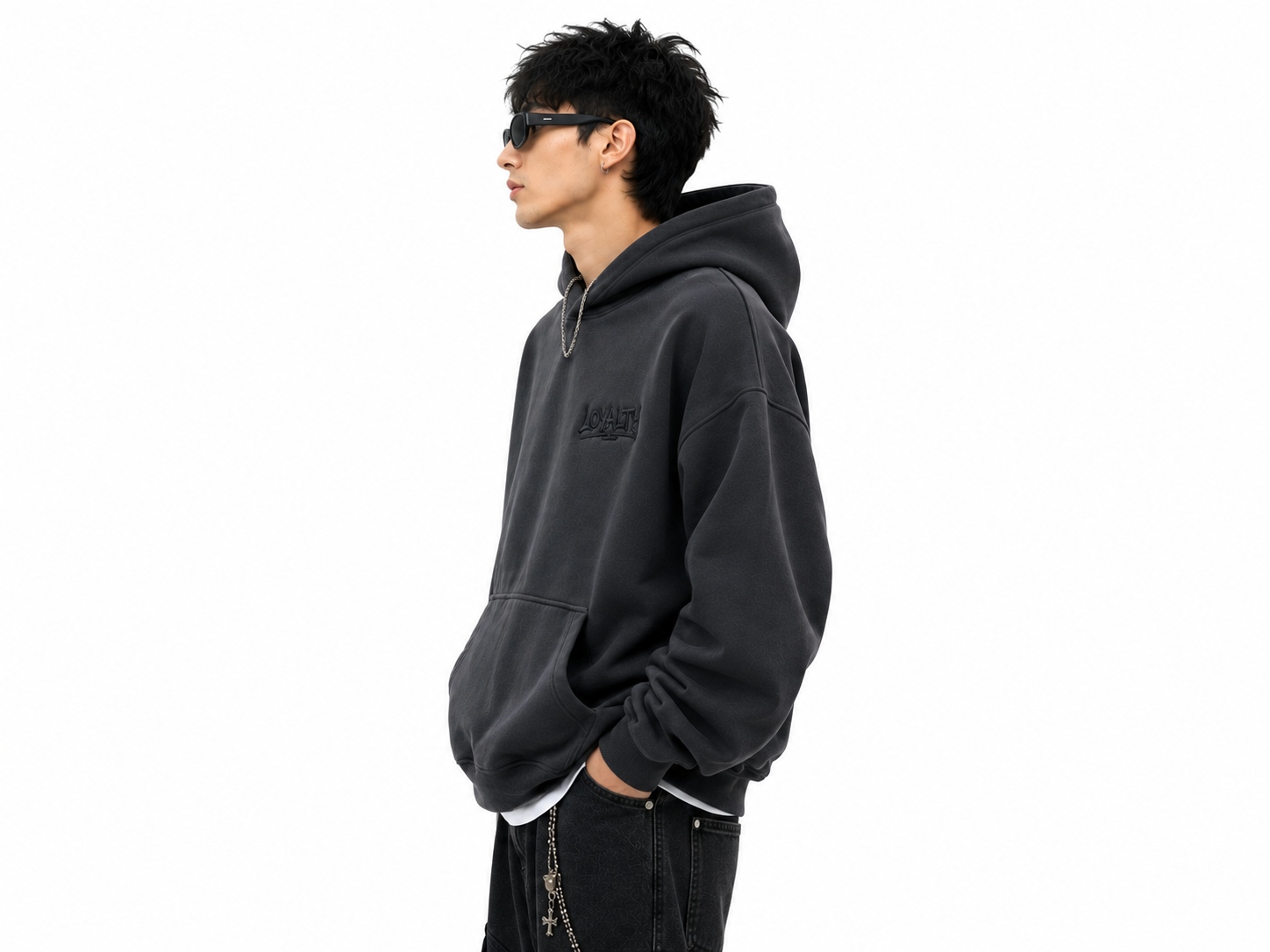
Quality Control Is Essential for Long-Term Success
Consistency is one of the most important factors in apparel manufacturing.
Poor embroidery quality can damage customer trust and increase return rates.
Inspection During Production
Manufacturers should inspect products at multiple stages.
Final Product Verification
Every shipment should undergo final quality inspection before delivery.
Table 3: Typical Quality Control Stages
|
Inspection Stage |
Purpose |
|
Fabric Inspection |
Material Consistency |
|
Embroidery Inspection |
Stitch Accuracy |
|
Sewing Inspection |
Garment Construction |
|
Final Inspection |
Overall Product Quality |
Sustainability Is Influencing Hoodie Manufacturing
Consumers increasingly value environmentally responsible fashion.
This trend is affecting both fabric sourcing and manufacturing processes.
Organic Cotton Adoption
More brands are choosing organic cotton fabrics to reduce environmental impact.
Sustainable Production Practices
Manufacturers are investing in cleaner production technologies and eco-friendly packaging solutions.
Future Trends in Embroidered Streetwear
The embroidered hoodie market continues to evolve.
Several trends are expected to influence future growth.
Minimalist Embroidery Designs
Small embroidered logos are becoming increasingly popular among premium brands.
Luxury Streetwear Expansion
Luxury streetwear continues to grow globally, creating more demand for embroidered garments.
Custom Personalization
Consumers increasingly seek products that reflect their individual identities.
Table 4: Future Industry Trends
|
Trend |
Growth Potential |
|
Minimalist Embroidery |
High |
|
Luxury Streetwear |
High |
|
Sustainable Hoodies |
High |
|
Personalized Apparel |
Growing |
|
Heavyweight Garments |
High |
Conclusion
Embroidered hoodies have become far more than basic apparel products. They represent a combination of craftsmanship, branding, durability, and premium positioning. For fashion brands seeking to differentiate themselves in a crowded market, embroidery provides a powerful way to increase product value and strengthen customer perception.
However, achieving success requires more than a good design. Fabric selection, embroidery expertise, digitizing quality, production consistency, and supplier reliability all play important roles. Partnering with an experienced embroidered hoodies supplier can help brands create distinctive collections, improve customer satisfaction, and build long-term market competitiveness.
FAQ
What is an embroidered hoodies supplier?
An embroidered hoodies supplier specializes in manufacturing hoodies featuring custom embroidery for fashion brands, wholesalers, and private label apparel businesses.
Why are embroidered hoodies considered premium products?
Embroidery provides texture, durability, and a high-end appearance that enhances perceived product value.
What fabrics are best for embroidered hoodies?
Heavyweight cotton fleece and premium cotton blends are among the most popular options because they support high-quality embroidery and long-term durability.
What is embroidery digitizing?
Digitizing is the process of converting artwork into stitch instructions for embroidery machines.
Can suppliers provide private label services?
Yes. Most professional embroidered hoodie manufacturers offer OEM and private label solutions including labels, packaging, and branding customization.
Are embroidered hoodies still popular in streetwear?
Yes. Embroidered hoodies remain one of the strongest categories in premium streetwear and lifestyle fashion markets.
Post time: Jun-23-2026


